
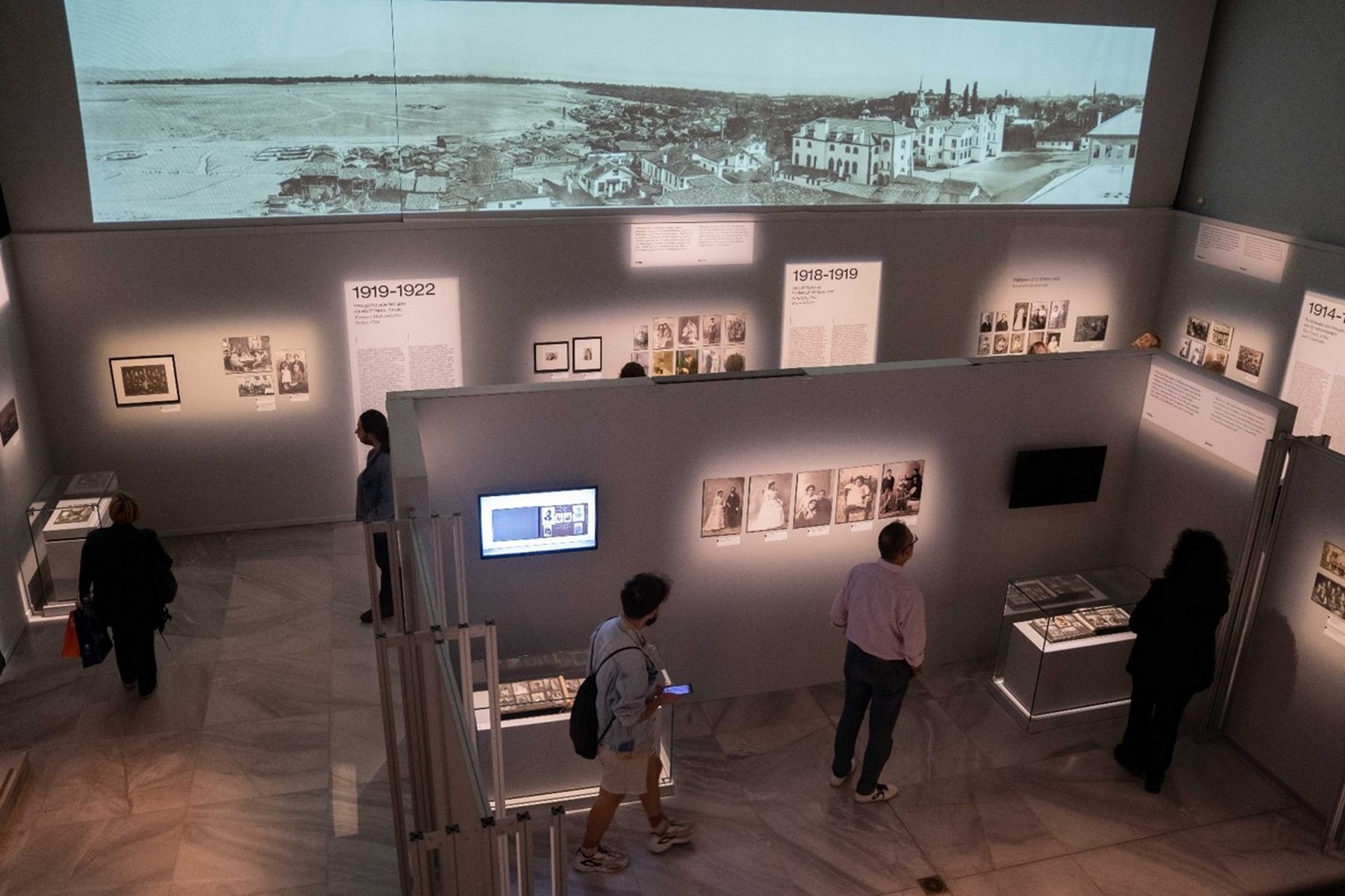
Installation view, The Photographic Odyssey of the Dildilian Family: From Anatolia to the West, Museum of Byzantine Culture, within the framework of the Thessaloniki PhotoBiennale 2023. Photo credit: Αntonis Vlachos, MOMus-Thessaloniki Museum of Photography
Friday 24 May 2024, on Zoom
A one-day workshop programmed in the context of Museum Dialogues, incorporating presentations, panel discussions and dialogue with international peers.
Museum Dialogues was initiated as a 12-month research networking project aiming to transcend the disciplinary boundaries of art history, visual culture, photography, new media, museum and curating studies and bridge theory and practice. Bringing together academic researchers and practitioners, the programme has supported the exchange of innovative solutions, inquiries, and practical challenges relating to the exhibition, collection, and interpretation of photography.
Theme
Building on the discussions and themes that developed during the initial workshop, this second networking event focused on collecting strategies, covering various institutional processes – from planning and acquisition to documentation, collection management, and conservation. The impact of evolving photographic technologies on collecting and preservation practices was highlighted as a significant concern for creators, curators, keepers, and conservators alike. Equally, contemporary digital practices involving crowd-sourced content and social photography as well as algorithmic photography and AI raise questions about ethics, authorship, and ownership. Sustainability issues, including the materials used for photography and the environmental impact of digitisation and digital storage, were also key topics.
Speakers:
Anni Wallenius, Dr Charmaine Toh, Dr Stamatis Schizakis, Dr Catherine Troiano
Presentations and break-out sessions explored the following questions:
- What strategic approaches can museums employ to collect both analogue and born-digital photography, ensuring the development of relevant photographic collections for the future?
- How should institutional practices evolve or what new methods are necessary to effectively incorporate diverse types of photographic images into museum collections?
- What opportunities and challenges do changing technologies, including AI, present for the preservation of digitised works and born-digital images, and how can works of variable media be efficiently documented for the future?
- What are the challenges associated with maintaining photographic collections in a sustainable manner?
- How can social digital photography be preserved contextually within the museum and what added value would such a collection bring to the institution?
- What does a 21st-century transnational photographic collection look like?
TALKS AND DISCUSSION
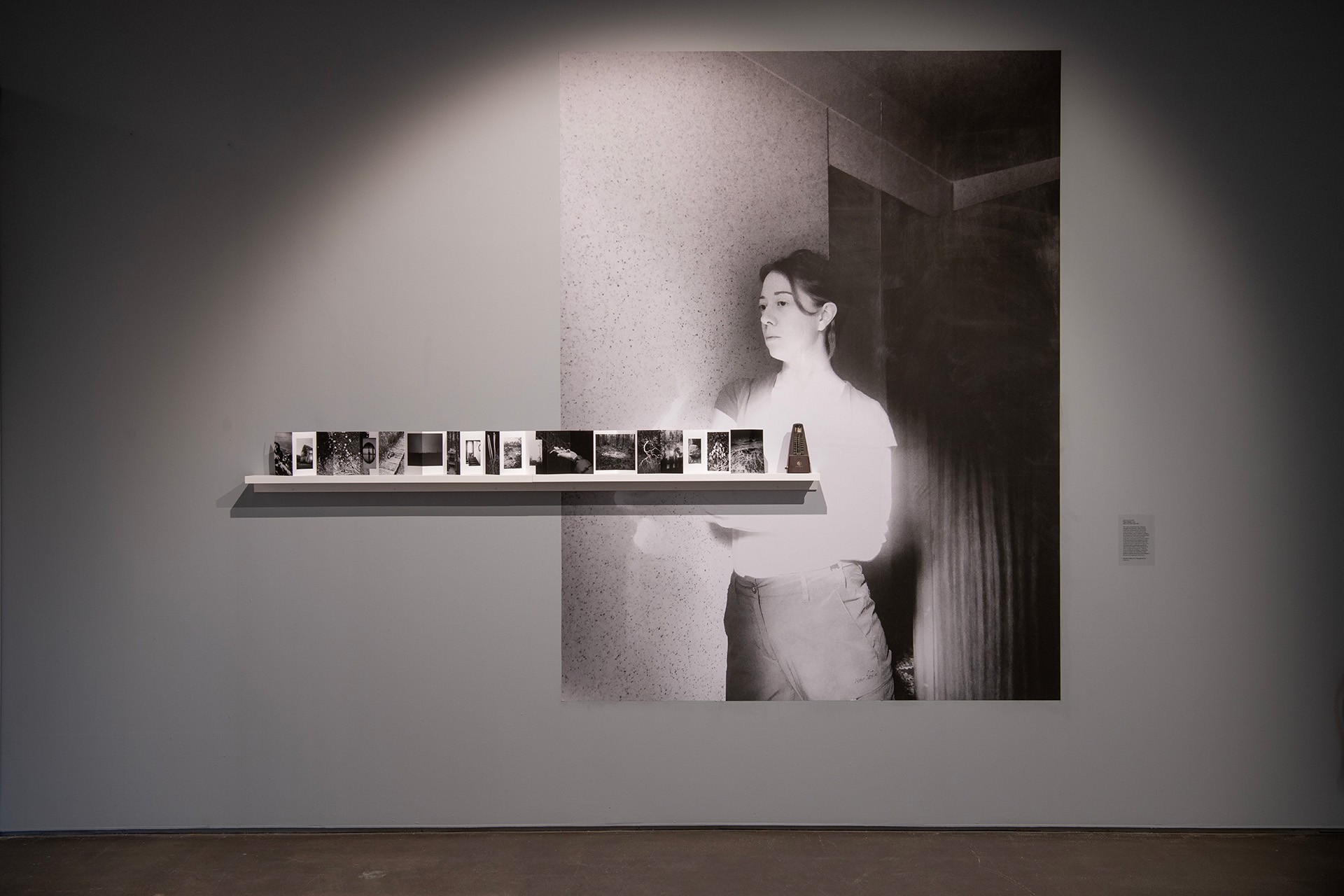
Johannah Churchill, Time is Elastic, 2024 © Johannah Churchill. Installation view in the exhibition The Skin We Live In, Northern Gallery for Contemporary Art. Photo credit: Michael Daglish.
Curating and Collecting Photography within the Art Museum
Dr Charmaine Toh
Dr Charmaine Toh is Senior Curator, International Art (Photography) at Tate. Her current research interests include International Pictorialism and the colonial photographic archive. In her former role as Senior Curator at National Gallery Singapore, she curated Living Pictures: Photography in Southeast Asia (2022), which was the first major survey of photography in the region. She was also co-curator for the Singapore Biennale (2013). Charmaine received her PhD from the University of Melbourne and is the author of Imagining Singapore: Pictorial Photography from the 1950s to the 1970s (Brill, 2023). She contributed to Survey Practices and Landscape Photography Across the Globe (Routledge, 2022) and An Alternative History of Photography (Prestel, 2022).
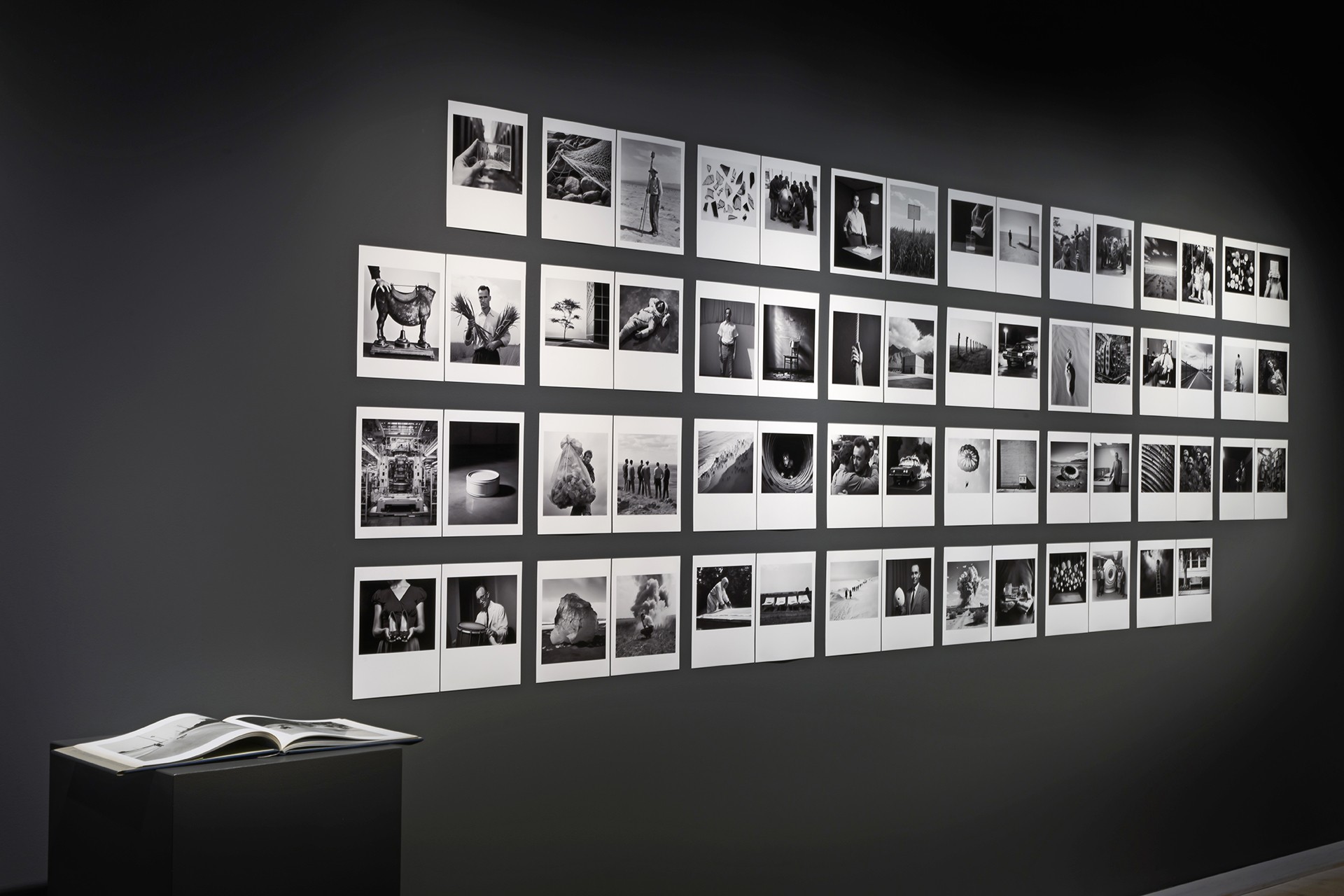
Craig Ames, from the series Evidential, 2023 © Craig Ames. Installation view in the exhibition Super Sight: A World Viewed Through Technology, Västerbottens Museum, Umeå, Sweden.
Photo credit: Jakob Joelson/Västerbottens Museum.
Curating and Collecting Expanded Photographic Practice
Dr Stamatis Schizakis
Dr Stamatis Schizakis is an art historian and since 2015 has been Curator of Photography and New Media at the National Museum of Contemporary Art, Athens, Greece. Schizakis studied history and theory of art and photography at the University of Derby, art history at Goldsmiths College, and completed his PhD at the University of Sunderland on the subject of the introduction of new technologies in art in Greece.
Schizakis has curated the exhibitions Bia Davou, Retrospective (2008) (co-curated with Tina Pandi); George Drivas, (un)documented (2009); Angelo Plessas, The Angelo Foundation: School of Music (2011); Rena Papaspyrou, Photocopies Straight Through Matter (2011); Georgios Xenos, Procession No 163 & Thousand Images (2012); Phoebe Giannisi – TETTIX (2012); Dimitris Alithinos, A Retrospective (2013) (co-curated with Tina Pandi); PLEXUS Petros Moris–Bia Davou–Efi Spyrou (2015) (co-curated with Tina Pandi); Mikhail Karikis – Because We Are Together (2023); as well as the screening programs Wonder Women (2010) and Secret Journeys (2011) at EMST and Terrhistories –Greece as part of the 26th Festival Instants Video in Marseilles (2013).
Since 2017, he has curated and convened the First and Last and Always Psiloritis Biennale.
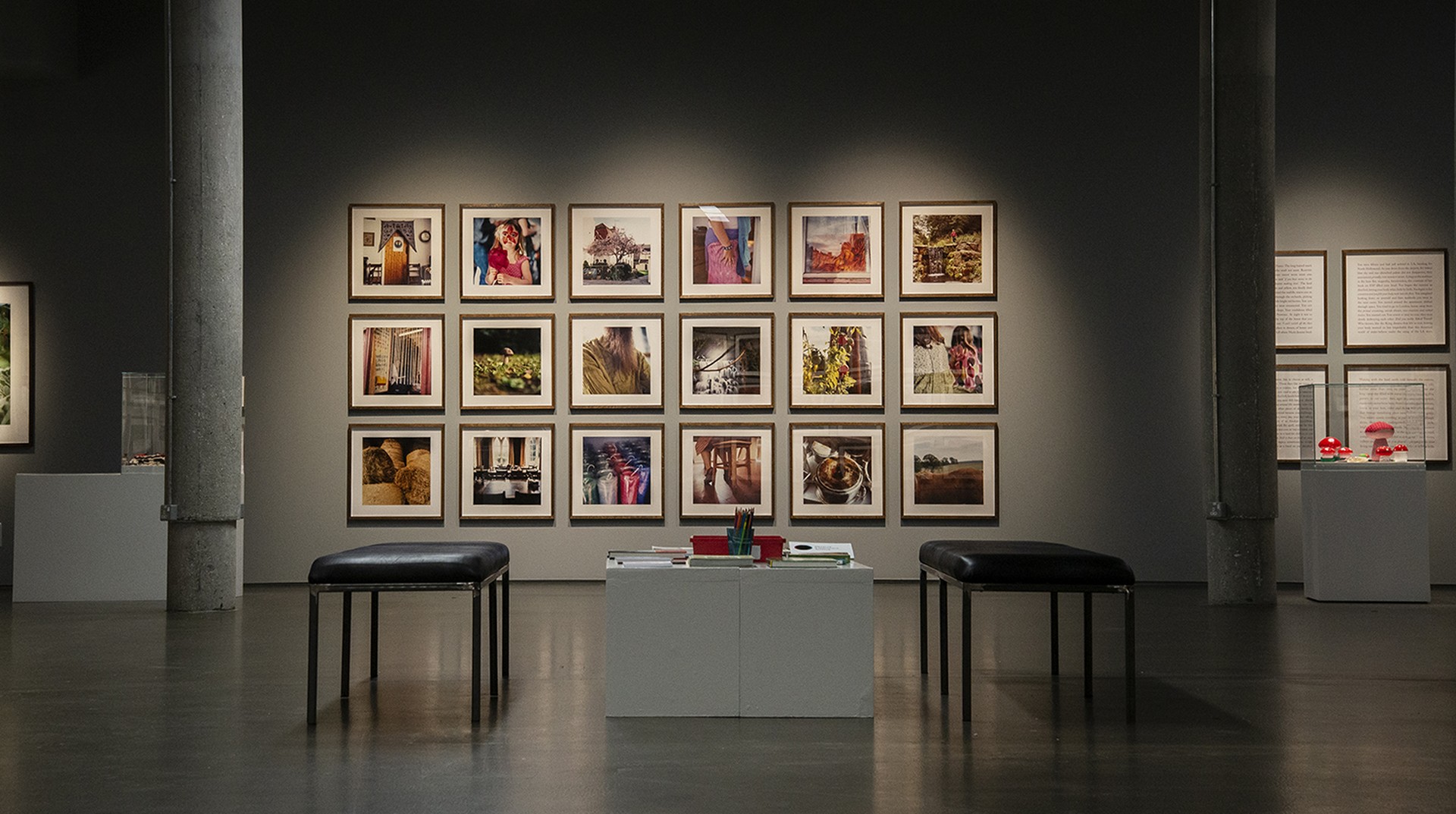
Marjolaine Ryley, This is What I See, 2019 © Marjolaine Ryley. Installation view of the exhibition at Northern Gallery for Contemporary Art, 2019. Photo credit: Jenny Goodfellow.
Commissioning and Collecting for a National Photography Collection
Dr Catherine Troiano
Dr Catherine Troiano is Curator of Photography at the Victoria and Albert Museum (V&A), with a focus on contemporary and digital practices. She co-curates the contemporary programme and leads the digital programme in the V&A Photography Section, which span acquisitions, exhibitions, commissions, and research. Troiano has worked on major V&A projects, including the transfer of the Royal Photographic Society Collection (2016-17) and the launch of the V&A Photography Centre (2018; 2023). She has curated or contributed to several displays and exhibitions at the V&A and elsewhere, and she publishes and presents regularly on aspects of contemporary photography, curatorial practice, digital culture, and institutional history. Troiano was the inaugural National Curator of Photography at the National Trust (2019-22). She holds an MA in History of Art (University of Edinburgh) and a PhD in Visual Culture (Photographic History Research Centre, De Montfort University, Leicester).
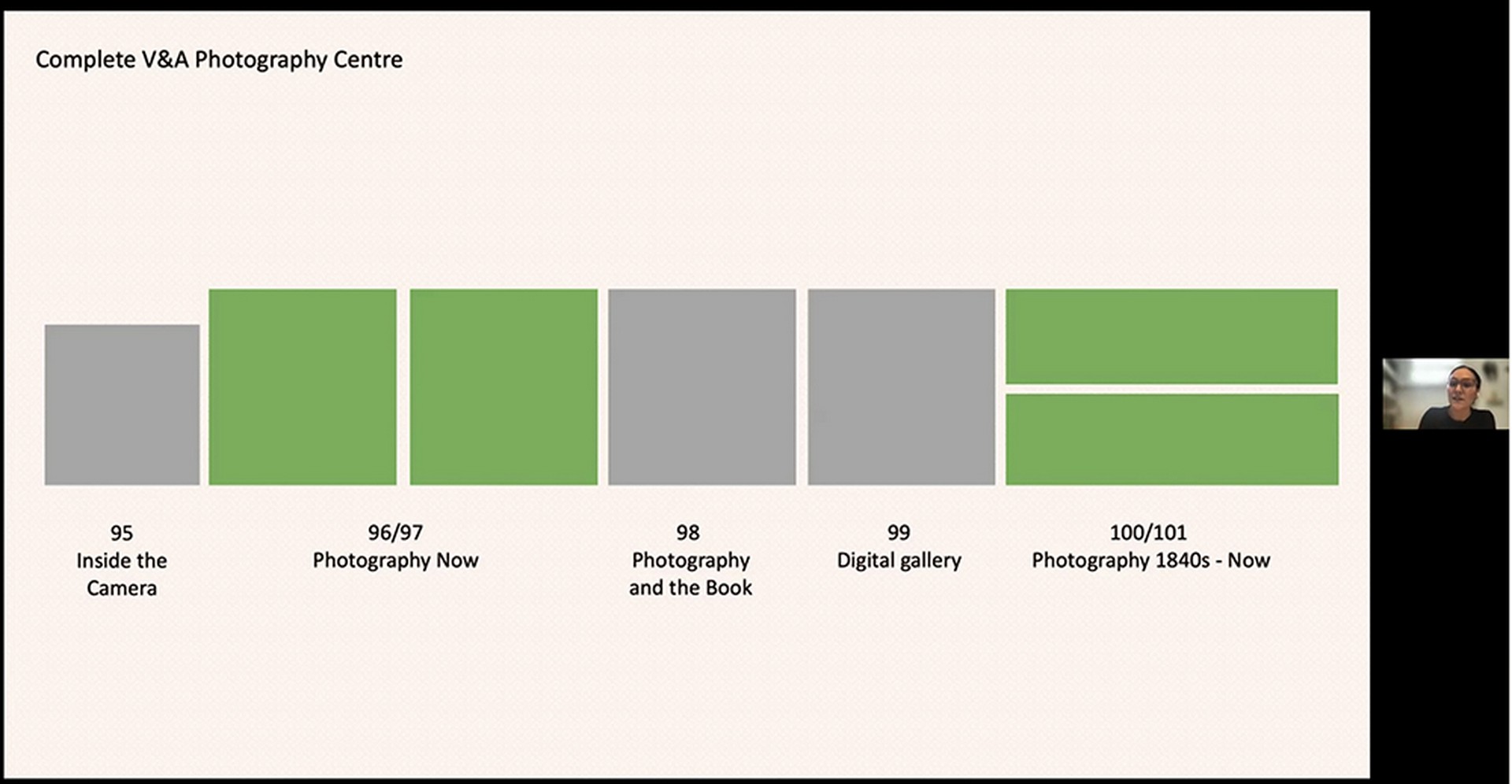
Screenshot of Dr Catherine Troiano presenting at Workshop Two.
Troiano provided an overview of the collecting and commissioning practices of the V&A’s Photography Centre in London, UK. ‘Acquisitions are focused on different strands, which include the upcoming programme, thematic or geographic focus areas, and different histories represented in or by the collection. The Photography Section aims to collaborate and facilitate working with artists on contemporary commissions, a legacy of which is retained for the permanent collection. The department has commissioned digital artwork, most recently from Jake Elwes (on view May 2023-February 2024) and Morehshin Allahyari (on view September 2024). Digital acquisitions benefit from infrastructures and frameworks established over many years by the V&A’s Digital Design and Digital Art curators, and they are an important part of the Photography Section’s collecting strategy. The V&A has an ambitious digital programme for photography and is one of the few places that curate such a programme in close proximity to historical collections. Being open to addressing projects case-by-case, together with artists, is important to establishing long-term digital collecting practices.’
Dr Michael Pritchard reflecting on the workshop.
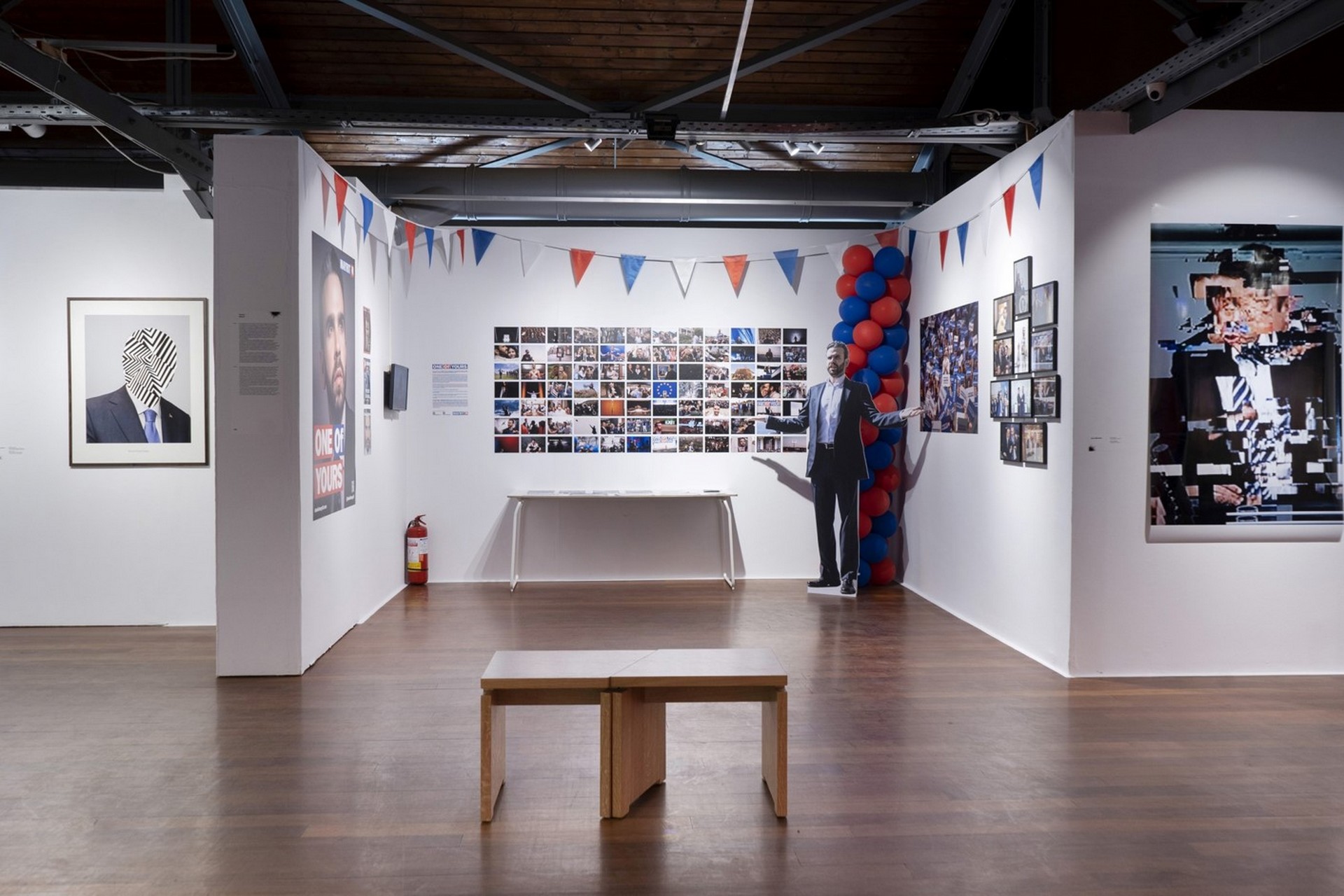
Installation view, Spectre of the People, MOMus-Thessaloniki Museum of Photography, October 2023. Photo credit: Αntonis Vlachos, MOMus-Thessaloniki Museum of Photography.
Collecting Social Photography
Anni Wallenius
Anni Wallenius is Chief Collections Curator at The Finnish Museum of Photography in Helsinki, Finland. Her background lies in art history and museology. In her work she is interested in developing methods and practices to bring photography collections, contemporary collecting, and audiences together in new relevant ways.
Between 2017-2021, Wallenius was part of the team of Collecting Social Photo, a Nordic project with a focus on developing sustainable work practices for collecting social digital photography in heritage institutions. She is co-author of the anthology Connect to Collect: Approaches to Collecting Social Digital Photography in Museums and Archives (Nordiska Museets Förlag, 2020). Wallenius continues to work on issues related to this topic in the follow-up Nordic project Connecting and Collecting: Developing Participatory Methods to Collect Social Digital Photography in Nordic Archives and Museums and is also a member of the working groups of the Network for Collections Management and Contemporary Documentation in Finland.
63 network members attended this second Museum Dialogues workshop.
16 countries were represented: Australia, Bangladesh, Croatia, Finland, Germany, Greece, India, Indonesia, Ireland, Italy, Latvia, Norway, Romania, Singapore, UK, USA.
Building Photography Collections: Historical Shifts, Contemporary Challenges, and Future Directions
The workshop case studies highlighted a developing shift in curatorial methodologies and the re-evaluation of value systems in photography. This shift includes collaboration and co-creation with artists, aiming to re-activate museum collections and make them relevant to diverse audiences.
Discussions focused on common themes and practical problems encountered by various institutions. Key topics included the need to accommodate artistic intention alongside practical concerns and archival capabilities and the analysis of the environmental impacts associated with storing digital and physical works. This discussion also addressed sustainable modes of production and ongoing conservation. Additionally, Eurocentric biases were considered, in terms of the, at times, institutional and market-driven preference for the vintage print over the digital file or print.
Large donations lacking proper contextual information can pose a real challenge for institutions with limited resources, such as staff time and adequate funding. This means that museums often need to set collecting priorities.
It was suggested that while institutions collecting vernacular and social photography need to move quickly and collect in real time, they must also take time to access what is collected to avoid hoarding artefacts. One recommended approach is to concentrate on distinct themes, collecting snapshots of specific moments rather than trying to collect everything. The legal conditions around the collection of vernacular and social photography were also explored. Copyright laws prevent the mass harvesting of social media imagery. The project Collecting Social Photography (#collectingsocialphoto) developed a web app that allows museums to clear rights for publicly sourced images. Contributors verify their authorship and ownership of an image before submission and agree to the terms and conditions for the storage and dissemination of the images and their personal data.
Digital technology continues to play a pivotal role in collection practices, providing new ways to contextualise and support photographic works. However, digitisation presents particular challenges for collections holding anthropological or ethnographic materials. Images taken based on unequal power relations, often without consent and depicting sensitive content, raise significant ethical questions when digitised for online dissemination. The absence of a general code of ethics for such materials makes the process especially delicate. Artist/researcher commissions and collaborative and facilitative curatorial approaches may offer alternative solutions to overcoming issues of displayability and ethics.
With photobooks emerging as a crucial storytelling medium, institutions should also adjust their institutional policies to collect printed materials.
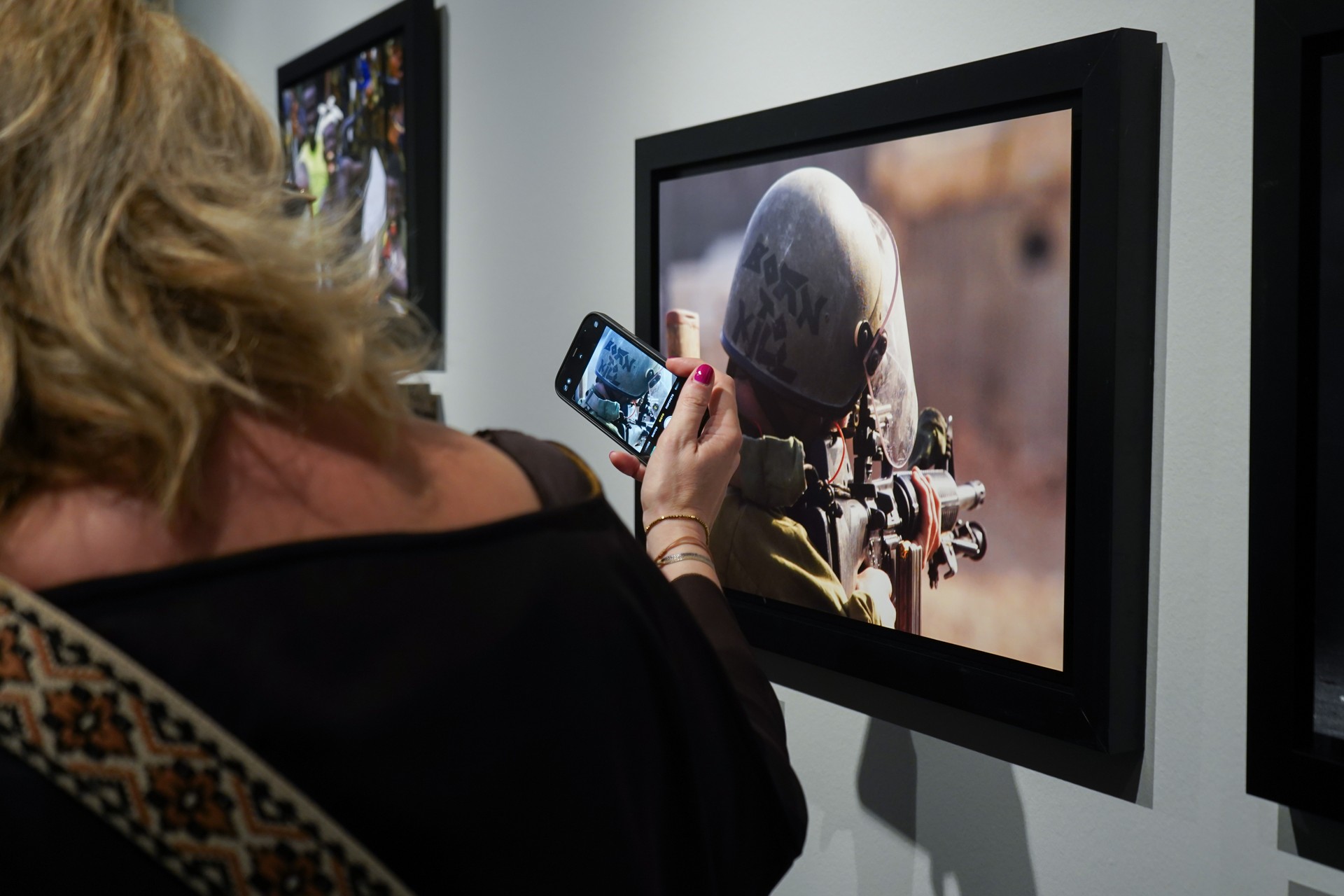
Visitor using their mobile phone to take a shot, Eyewitness: Yannis Behrakis exhibition, 2023. Photo credit: Αntonis Vlachos, MOMus-Thessaloniki Museum of Photography.